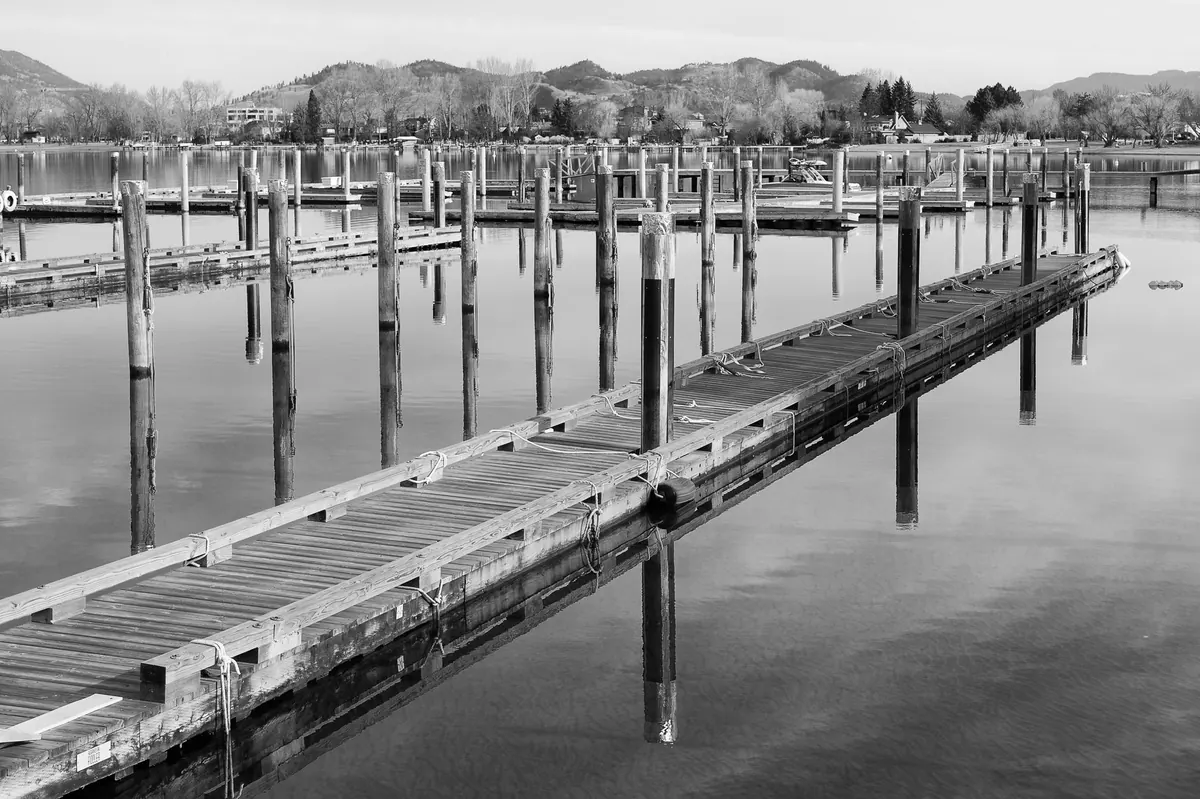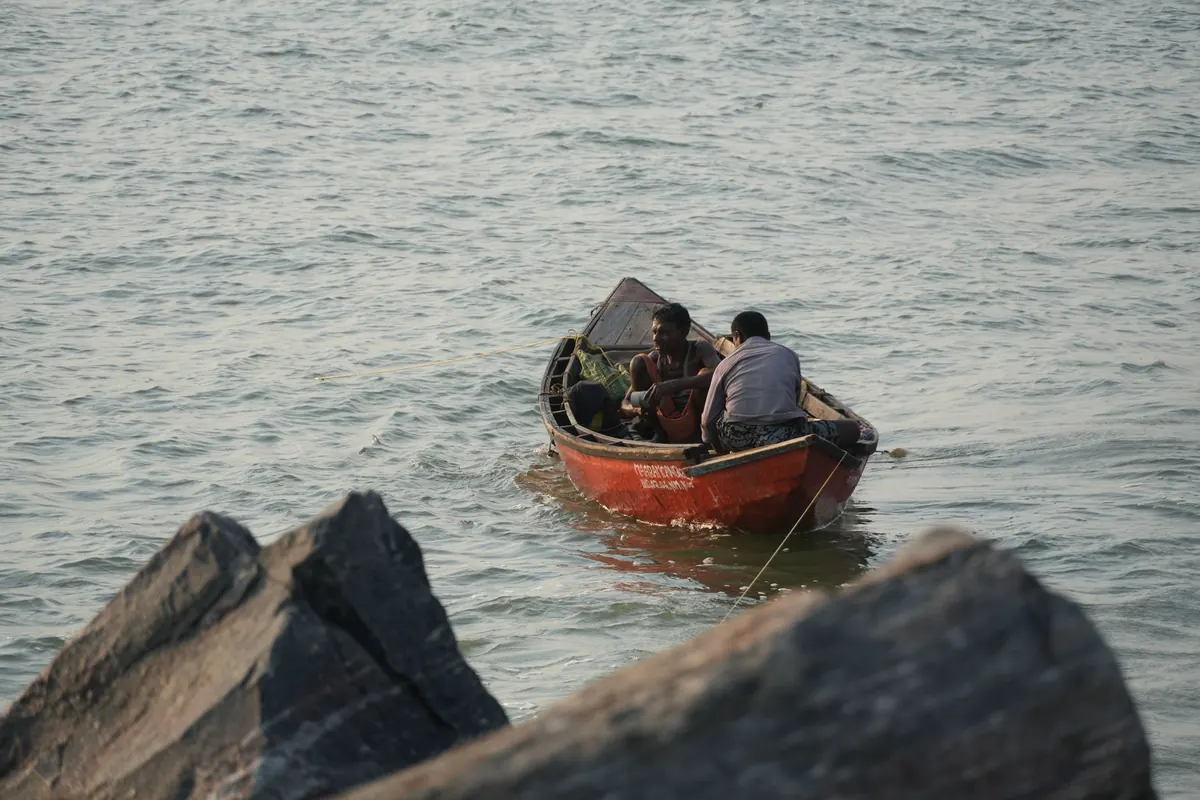
A small boat is the best inshore classroom you can own. You can slip into a creek mouth before daylight, drift a grass flat with the wind at your back, and be home before the afternoon chop builds. The fish are close to the ramp, too — redfish, speckled trout, snook, flounder, striped bass, whatever your stretch of coast grows. What trips up new anglers isn't the fish. It's the gear, the tide, and the boat handling. Here's the short version of everything worth knowing before your first dozen trips.
Gear That Matches the Water You Fish
You do not need a rod locker. You need two rods you trust. Start with a 7-foot, medium-power spinning rod with a fast tip, paired with a 2500 or 3000 size reel spooled with 10- to 15-pound braid and a short fluorocarbon leader. That one combo will throw a quarter-ounce jig into the wind, work a topwater at dawn, and handle a slot redfish without drama. A second, slightly heavier rod set up for bait — a medium-heavy spinning rod or a baitcaster if you already know how to use one — saves you from retying every time you want to switch tactics.
Beyond rods, keep the boat kit lean: a landing net with a rubber mesh, needle-nose pliers, a hook sharpener, a ruler or measuring board, a small tray of terminal tackle, and a net or live well if you plan to fish bait. Buy lures a handful at a time and learn what each one does. Five you can fish well will out-fish fifty you're guessing with.
Bait and Lures, Kept Simple
Live bait is the shortcut. Shrimp, mud minnows, finger mullet, and fiddler crabs are proven inshore groceries almost everywhere, and cut bait like mullet or menhaden works when fish are keyed on scent. Hook live shrimp through the horn so they swim naturally, and give baitfish a hook through the nose or just behind the dorsal. Then let the current do the work — a bait that drifts like it's lost gets eaten.
For artificials, four categories cover most days:
- Jighead and soft plastic. A quarter- to three-eighths-ounce head with a swimbait, paddle tail, or shrimp imitation. The workhorse. Bounce it along the bottom or swim it slowly over structure.
- Spoons. Gold or silver, cast and retrieved with a steady wobble. Great for covering water and finding fish fast.
- Topwater walkers. Best in low light and on calm mornings. Cast, walk it side to side, and resist setting the hook until you feel weight.
- Popping cork with a soft plastic or shrimp imitation. The classic way to fish a live-bait presentation under a float and keep the hook out of the grass.
One rule carries most of the weight: match the water, not the catalog. Clear water calls for natural, translucent colors. Stained or muddy water calls for darker tones — black, purple, root beer — and something with vibration or a rattle so fish can find it. Size matters as much as color. If the bait in the water is two inches long, a six-inch lure is a hard sell.
Read the Tide Before You Read the Water
Moving water is feeding water. That single idea will put more fish in your boat than any lure. In most inshore systems, the last two hours of the incoming tide and the first two of the outgoing are the strongest windows, because current is pushing bait against structure and predators are set up to ambush it. Slack water, when the tide stalls between phases, is usually the slowest part of the day — a good time to eat lunch or move to a different spot.
Pay attention to how big the tide is. Around new and full moons, the range is larger, more water moves, and fish often push up onto shallow flats and into the backs of creeks. Around the quarter moons, the range shrinks, fish sit tighter to deeper edges, and slower presentations win. Wind matters too: wind pushing against the tide stacks water and makes a small boat uncomfortable on open flats, while wind running with the tide keeps things manageable. Check a tide chart for your specific inlet, not the nearest city — timing can vary by an hour or more a few miles away.
Find Structure, Then Fish It Properly
Inshore fish hold where current meets something solid. Oyster bars, dock pilings, jetty rocks, bridge fenders, channel edges, the potholes in a grass flat, points, and creek mouths all qualify. A basic depth finder helps you see a drop-off or a ledge you'd never notice from the surface, and marking those edges is worth the price of the unit.
How you approach matters as much as where you stop. Shut down well short of the spot and ease in on the trolling motor. Position upcurrent so your bait drifts into the strike zone the way a real baitfish would, rather than dragging it against the flow. Anchor from the bow with enough rode — roughly five to seven times the depth in calm conditions — so the boat sits steady instead of swinging. Keep the hull quiet; banging a cooler lid or stomping on the deck spooks fish in shallow water. And fish the shadow line along a dock or rock pile, especially on bright days.
Safety in a Small Boat
Small boats are wonderfully capable and unforgiving in equal measure. The habits below cost nothing and cover most of what goes wrong.
- Wear your life jacket. Not stowed, not on the seat — on your body. Inshore water is often colder and choppier than it looks.
- Clip the kill switch lanyard to yourself whenever the engine is in gear, especially when fishing alone.
- Check the marine forecast for wind, storms, and sea state before you launch, and check it again before you run back.
- Carry a VHF radio, a charged phone in a dry bag, and a basic first-aid kit and tool kit.
- Tell someone where you're launching, where you're fishing, and when you expect to be back.
- Anchor from the bow only. Anchoring from the stern in current is how small boats get swamped.
- Respect wakes. Take a large boat's wake at an angle with the bow up and passengers seated.
- Know your boat's capacity plate, and stay under it — gear, people, and bait included.
Also confirm your local fishing license requirements and bag and size limits before you keep anything. Rules vary by state, season, and species, and they change more often than most anglers assume, so check with your state wildlife agency rather than a dock rumor.
Your First Trips: Keep It Small
Pick one launch and one general area, then fish it repeatedly across different tides. Three or four hours is plenty at the start — long enough to learn something, short enough that you stay sharp and get home safely. Bring one bait rod and one lure rod. Drink water, wear sunscreen, and note what happened: tide stage, wind direction, water clarity, and what got bit. After a few trips you'll have a pattern that's yours, and patterns beat tips every time.
The rest is time on the water. Be quiet, watch the current, and let the tide do the hard part.
Photo: Abhisek Tripathy / Pexels