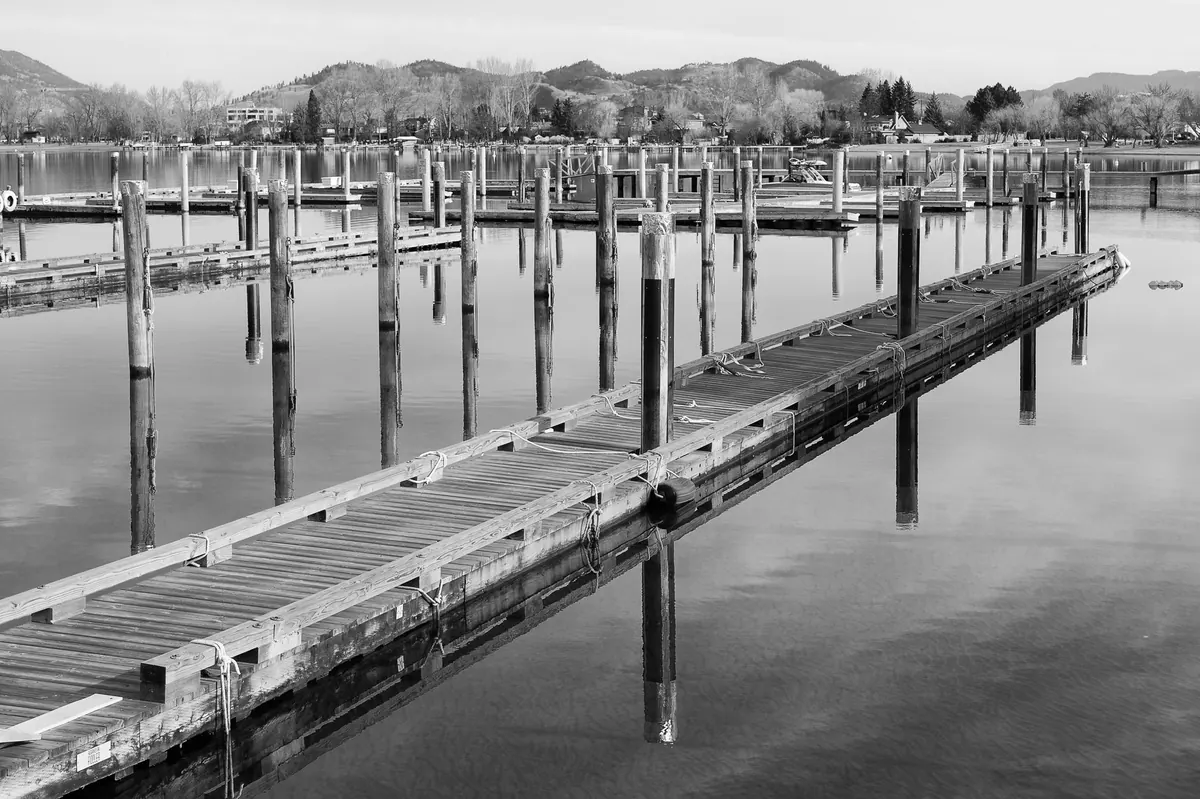
The first summer on the Bay is all crab feasts, boat rides, and sunsets that stop conversation. Then the insurance renewal arrives, the bulkhead starts leaning toward the water, and the county sends a letter about the buffer on your shoreline. Waterfront living on the Chesapeake is worth it, but the real cost of a house on the water runs well past the listing price. Here are the expenses new residents most often miss, and what to do about each one before it becomes a problem.
Flood Insurance Is a Separate Policy
Your homeowners policy almost certainly excludes flood. On the Chesapeake, water arrives from at least two directions: tidal surge pushed up the Bay during a tropical storm, and river flooding after several days of rain in the watershed. Both count as flood, and both require their own coverage, usually written through the National Flood Insurance Program.
A few things worth knowing before you close:
- New flood policies typically have a 30-day waiting period before coverage begins. Buying the day of closing leaves you exposed.
- Lenders require coverage when the mortgage sits in a mapped high-risk zone, but plenty of properties outside those zones still flood. Look at elevation and drainage, not just the map color.
- An elevation certificate — a surveyor's measurement of how high the lowest floor sits — can change your premium substantially. Ask whether the seller already has one.
- Request the property's flood claim history, not just the current zone designation.
Rates shift as maps and rating methods are updated, so budget for increases rather than treating year one as permanent. Talk with a licensed insurance agent about your specific address. The difference between two houses a mile apart can be startling.
Shoreline Protection Is a Subscription, Not a Purchase
Everyone stares at the water. Fewer people stare at the edge. Erosion is gradual until it isn't: banks slump, wave action undercuts the toe of the slope, and trees lean and drop in. New owners sometimes discover that the small beach in the listing photos was never going to stay there.
Three shoreline approaches, roughly in order of cost and complexity
- Living shoreline. Marsh grasses, sand, and sometimes a rock sill that absorbs wave energy and rebuilds habitat over time.
- Riprap. Graded stone placed over filter fabric along the bank. Effective, but it needs to be sized and placed correctly or storms rearrange it.
- Bulkhead. A vertical wall of wood, vinyl, or steel. Even good ones have a service life measured in decades, and they need patching, re-capping, and eventually replacement.
Maryland generally requires that living shorelines be considered before hardened structures, and Virginia shows a similar preference for soft approaches where they'll work. That's a permitting reality, not just an environmental talking point, and it shapes what you're allowed to build on your own land.
Permits, Permits, Permits
Waterfront work touches more agencies than most buyers expect. In Maryland, you'll typically start with a joint permit application that runs through the Department of the Environment and the Army Corps of Engineers. Virginia routes most shoreline projects through the Marine Resources Commission. Layer on local rules for the Critical Area in Maryland or the Chesapeake Bay Preservation Act in Virginia, which restrict clearing within a buffer measured from the water — commonly 100 feet.
A pre-build checklist that saves real money:
- Confirm your buffer designation and what you're allowed to clear or plant.
- Get written confirmation of your riparian rights before assuming you can build a pier.
- Check whether submerged aquatic vegetation grows offshore. Bay grasses can limit where and when you can work.
- Ask about septic capacity before adding a bedroom, bath, or guest cottage.
If you can, make these calls before you make an offer. A conversation with the county planning office costs nothing.
Taxes and the Water View Premium
Waterfront assessments tend to climb faster than inland ones, because the view is part of the product. Maryland reassesses properties on a rolling cycle, while Virginia reassesses by locality on its own schedule. If your assessment jumps, you can usually appeal — and photos, a recent appraisal, and a written list of defects carry far more weight than frustration.
Then there's the boat. Maryland levies a vessel excise tax when you title a boat; Virginia localities generally handle boats through personal property tax, and rates and exemptions vary by county. Before you buy a boat, trailer, or lift, call the treasurer's office and ask what the annual bill would look like. For anything involving taxes or assessments, confirm the details with a qualified local professional.
Crabbing Season Sets the Rhythm of the Year
Crab season shapes local life more than any calendar. Maryland's recreational blue crab season runs roughly spring through mid-December, with different rules for different gear, and Virginia's season and limits differ. Both states require a license for recreational crabbing, and size, sex, and possession limits get adjusted year to year.
Practically speaking:
- Read the current regulations each spring instead of trusting what a neighbor did last summer.
- Crab pots, trotlines, and dip nets each come with their own rules and reporting requirements.
- Filling your own pots isn't automatically cheaper than buying from a local waterman, especially early and late in the season.
- Store gear properly. Cheap pots that sit in the sun lose more crabs than they catch.
The Quiet Costs: Septic, Humidity, Storms
Some expenses never make a list but always show up. On-site septic systems need pumping and occasional repair, and waterfront soils can be particular about drain fields. Damp air works on wood, metal, and drywall, so a good dehumidifier and attention to crawlspace moisture are cheaper than replacing a floor. Storm prep means shutters, a generator, a plan for the boat, and for some owners, pulling the dock before ice. Salt air eats fasteners, railings, and anything cheaply galvanized.
Set aside a shoreline reserve — a small monthly transfer into a dedicated account — for the year the riprap shifts or a piling rots out. It won't be a surprise if you've already paid for it.
Before You Sign, Do Three Things
Walk the shoreline at low tide, then walk it again after a heavy rain. Ask the seller for permits, receipts, and any engineering reports on the bank, dock, or septic system. Then call the county planning office and your insurance agent with the address in hand. Those three conversations will tell you more about the true cost of the property than any listing sheet — and they'll leave you more room to enjoy the sunsets.
Photo: oreundici / Pixabay